


When we look at institutions—schools, businesses, hospitals, governments—what do we really see? Most notice rules, buildings, or people. But in our view, there is something deeper, something less visible but more powerful: the collective consciousness that holds the whole structure together.
Institutions are not just buildings or policies; they are living fields shaped by shared intentions, beliefs, and values. This is where the Five Sciences come in, offering a fresh way to shape institutions from their foundation upward. When we pause to really think about how institutions rise, falter, or endure, we find that consciousness is always at the core.
The five sciences: a new backbone for institutions
What are these sciences? Each brings a dimension to the human experience that, when used together, makes a complete system capable of transforming organizations and the societies that create them. Like pillars holding up a roof, one missing or weakened, and the whole feels unstable.
- Science of Mind and Thought
- Science of Emotion and Sentiment
- Science of Intention and Purpose
- Science of Relationship and Connection
- Science of Manifestation and Integration
We see each science as a field of understanding and practice. When we bring these dimensions to light in institutional design and leadership, we empower structures that are robust, adaptive, and more humane.
Every strong institution begins with an insight into consciousness.
Why institutions reflect our collective consciousness
Institutions may seem steady, but history shows how quickly they can change. What shifts them? Not simply paperwork or leaders, but the collective field of thoughts and intentions within them. We see evidence of this in studies showing how changes in consciousness among members influence new policies and, ultimately, outcomes. As workshops addressing health inequities and discrimination reveal, cultivating reflective awareness impacts not only individuals but the very way institutions fulfill their mission.
Change begins inside, ripples outside
When institutions change how they think, feel, relate, intend, and act, the effects extend far beyond internal systems. It shapes how students learn, how companies work, and how hospitals heal.
Culture is the external face of internal consciousness.
Applying the five sciences: how does it actually work?
It sounds abstract, but in our experience, these five sciences have direct, practical impact on systems both large and small. Let’s walk through how each science brings value to shaping institutions.
Mind and thought: the blueprint
Before any action, there is a thought. Every reform, policy, or tradition begins in someone’s mind. When institutions encourage inquiry, critical thinking, and openness to new ideas, they lay a strong groundwork. Policies that promote mental flexibility—even in stressful or fast-changing environments—build resilient organizations. In a study of nursing students adapting to pandemic teaching models, we see how mental adaptability influenced positive institutional responses during crisis.
Emotion and sentiment: the emotional climate
Alongside thinking, there is always feeling. We have all walked into a workplace or school and felt the prevailing mood—support, fear, excitement, or tension. Institutional culture is shaped by the sum of individual feelings and shared emotional stories. Promoting healthy emotional expression, empathy, and accountability strengthens an institution’s atmosphere. Positive collective emotions improve collaboration and reduce burnout. Secure environments don’t just retain people; they energize purpose.
Intention and purpose: the magnetic field
Institutions are drawn forward by shared intentions. When the purpose is clear, when goals align with deeper values, members find their actions become meaningful. Conflicts and confusion usually point to a split intention or unclear purpose. The clearest institutions are those with transparent, shared purpose—one the whole community can embody and act from. This field makes everything from decision-making to innovation smoother and more natural.
Relationship and connection: the living network
No institution survives without strong relationships—between people, teams, and roles. Structures that honor interdependence, invite open communication, and recognize the value of every member foster trust and resilience. In the context of environmental policy and sustainable action, research in Indonesia highlights how supportive policies and governance nurture collective awareness and long-term change. Institutions that nurture genuine connection stand firmer during change and adapt more gracefully through difficulty.

Manifestation and integration: from idea to reality
Ideas are not enough. Institutions need to bring ideas into reality and sustain them over time. This science helps structures move from intention into action, learning from mistakes, integrating feedback, and crystallizing new patterns. Institutions that master integration become places where good ideas turn into daily practices, not just slogans on the wall. When consciousness is consistently put into action, even in challenging areas such as environmental impact, organizations show measurable reduction in emissions and more responsible resource use, as found in studies of manufacturing firms aligning actions with values.
The impact: more adaptive, ethical, and stable institutions
We feel the difference when we walk into an institution built on these sciences. They adapt better, weather storms, and create space for growth at all levels. There are clear and practical benefits, supported by research:
- Higher emotional intelligence and wellbeing among members
- More effective crisis responses and adaptation
- Clarity and energy around shared purpose
- Structures that support honest communication and connection
- Concrete, lasting change rather than fleeting programs or reforms
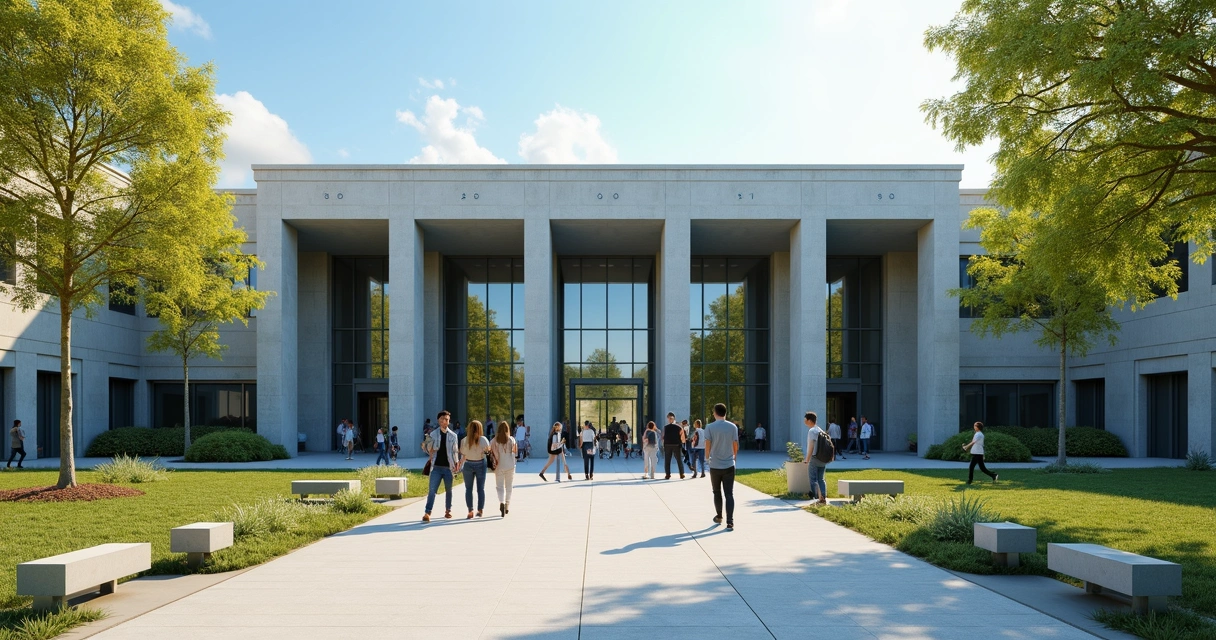
When institutions rise in consciousness, they become more just, adaptive, and alive.
Shaping institutions for tomorrow
What’s next? We find great hope in the idea that every institution is a mirror of our present and a laboratory for our future. By rebuilding from the inside out, shaping institutions with the five sciences, we break cycles of crisis and bring forth a culture of conscious responsibility rather than blame. This is not just wishful thinking. Studies on employee environmental consciousness show how collective changes in awareness lead to measurable, lasting positive impacts inside organizations. When enough institutions shift, society itself changes direction.
Conclusion
The five sciences offer a practical and deeply human method for shaping institutions that nourish individuals and societies. True change happens when thought, feeling, intention, relationship, and action come together as one field. We believe conscious institutions will become stronger pillars for the future, able to hold not just information and rules, but the best hopes of humanity itself.
Frequently asked questions
What are the five sciences mentioned?
The five sciences refer to knowledge fields that shape human and collective experience: mind and thought, emotion and sentiment, intention and purpose, relationship and connection, and manifestation and integration. Each plays a role in building the internal and external structure of any institution.
How do sciences help shape institutions?
These sciences provide a framework for understanding how individual and group consciousness build or transform organizations. By focusing on thought, feeling, purpose, connection, and practical realization, institutions can create cultures of trust, clarity, and lasting integrity—a foundation for positive institutional change.
Which science is most important for institutions?
All five sciences work together, but the science of intention and purpose often stands out. When an institution aligns every action and policy with shared purpose, the organization becomes more coherent and resilient in the face of change.
Why study sciences for institution building?
Studying these sciences helps us understand the foundation of any collective system. By applying knowledge of consciousness, institutions develop environments that benefit both individuals and society. This leads to more ethical, adaptable, and sustainable transformations.
Can these sciences improve current institutions?
Yes, integrating these sciences creates practical pathways to address institutional challenges and foster positive, lasting change. Even established institutions can renew their values, adapt to new realities, and nurture a more conscious culture among all members.