
Group vulnerability can reshape collective memory by changing which experiences people notice, repeat, protect, or leave out. Here, “rewiring” describes a social process, not a literal change to the brain: shared stories, rituals, and records can shift as a community responds to threat. Understanding that process helps leaders, families, and communities protect solidarity without turning pain into a single unquestionable story.
Key insights on vulnerability and shared memory
- Vulnerability changes the conditions in which a group remembers, especially its sense of safety and belonging.
- Repeated stories can become familiar group narratives, but familiarity does not prove that every detail is complete or agreed upon.
- Shared remembering may support resilience while also sidelining people whose experiences do not fit the dominant account.
- More responsible memory practices keep testimony, evidence, disagreement, and uncertainty visible together.
What changes when a group feels vulnerable?
When people face threat or instability, the group’s shared attention often turns toward experiences that help explain danger, preserve identity, or guide action. This can make some episodes more central to community storytelling, while quieter or less easily shared experiences receive less attention.
The change is not automatic. Vulnerability might follow displacement, discrimination, a workplace crisis, or a natural disaster, but each setting has different power dynamics and channels for remembering. A useful distinction is between the event itself and the social process that later gives it meaning.
Collective memory research examines how separate personal accounts can converge through communication and repeated retrieval. Work indexed in PubMed’s memory research includes studies of how people recall and share information. That research can inform the discussion, but it does not establish one universal response to collective vulnerability.
How do stories become a shared account?
A shared account forms through repetition, selection, and recognition. People tell stories in conversations, ceremonies, meetings, classrooms, and media; families and institutions decide what to preserve, and listeners learn which details are treated as meaningful.
Consider a hypothetical community recovering from a flood. If public meetings repeatedly honor the volunteers who rebuilt homes, their effort may become a defining story. If renters who lost belongings or residents who could not return are rarely invited to speak, that same story can leave a misleading impression of who was affected and who recovered.
Research on collaborative remembering asks how people’s recall can influence one another. That makes it useful to ask not only what a community remembers, but who was present when a story was repeated and which perspectives were missing.
Why can shared vulnerability narrow the story?
A group under pressure may favor a clear, repeatable account because it offers orientation and a sense of belonging. The risk is not that cohesion is harmful. The risk is that one account becomes a test of loyalty, making complexity or disagreement feel like a threat.
A narrative centered only on a group’s endurance, for example, may overlook internal differences in exposure, support, or responsibility. People who speak about those differences may then be treated as disruptive, even when their testimony helps complete the record.
This pattern connects to wider systems of belief and belonging. Uplift Mental’s discussion of collective beliefs that limit change explores how shared assumptions can shape what groups find possible to question.
How can communities remember without flattening experience?
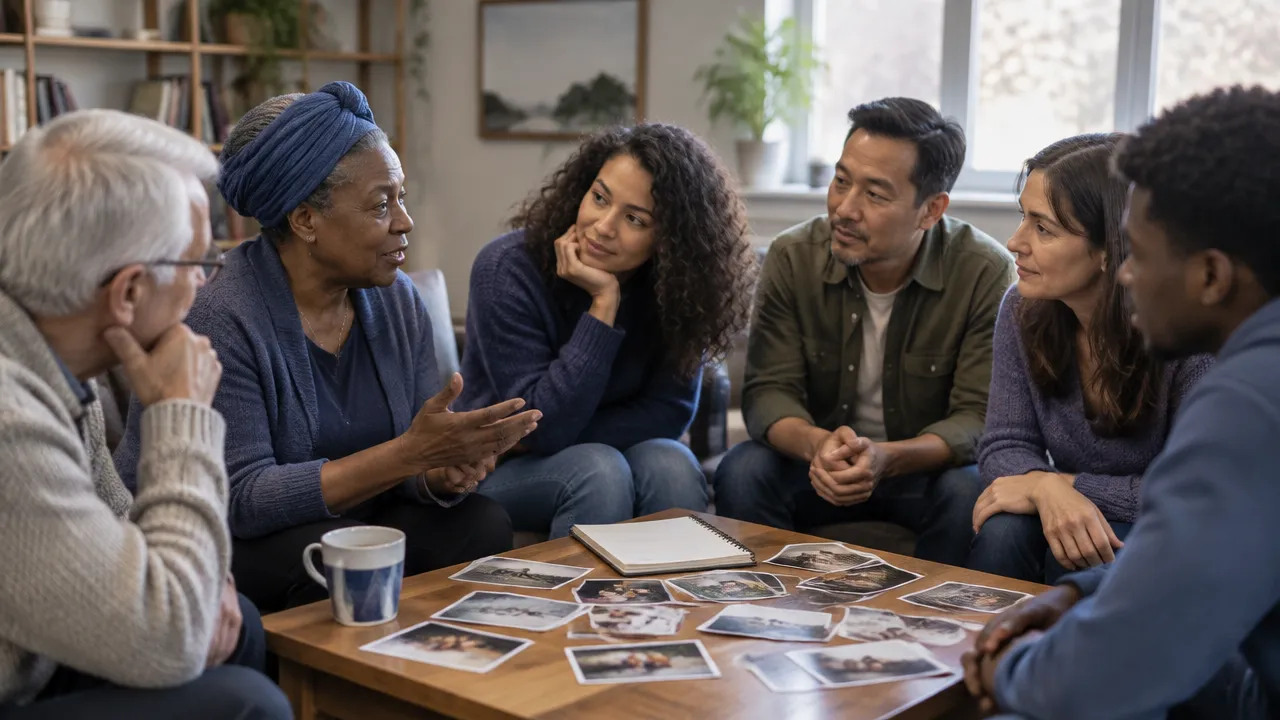
Communities can preserve a shared history without insisting that everyone experienced an event in the same way. The practical goal is a memory culture that can hold common ground, distinct accounts, and unresolved questions at once.
- Gather accounts from varied positions. Invite people affected differently by age, role, location, or access to resources.
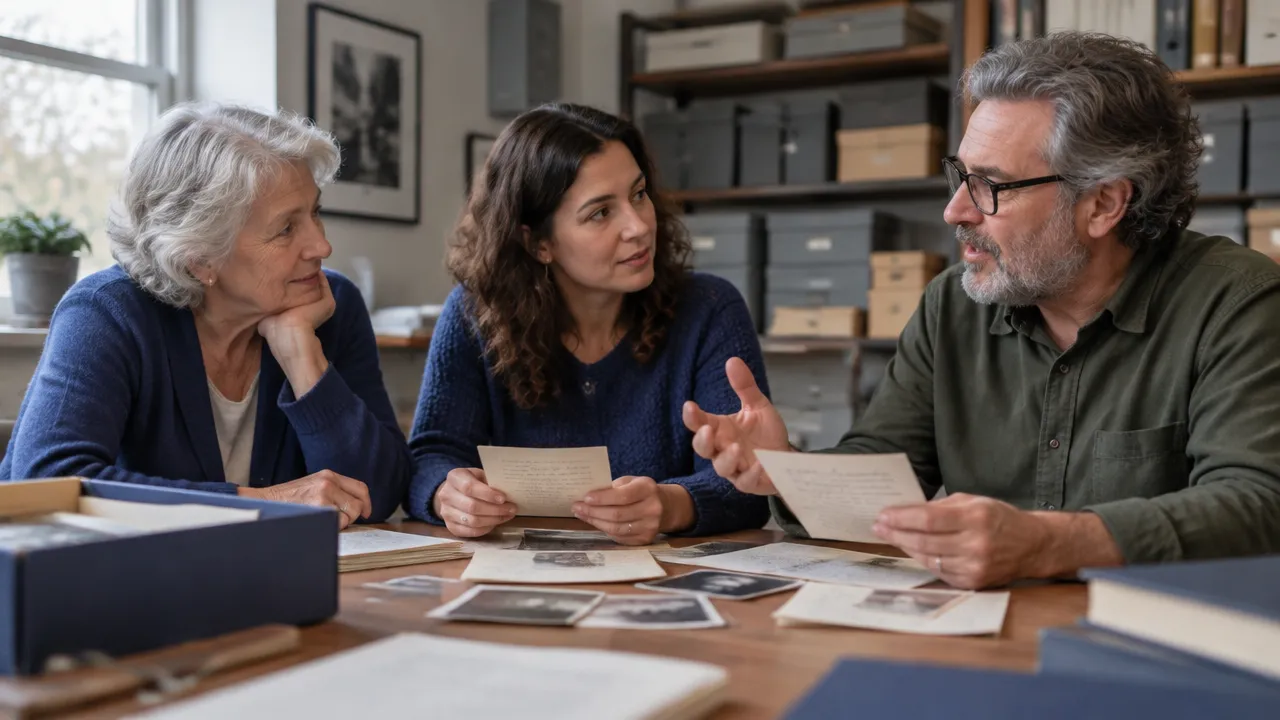
- Keep testimony connected to context. Record when and how an account was collected, and distinguish recollection from later interpretation.
- Make uncertainty visible. Mark disputed details and missing evidence rather than filling gaps with confident guesses.
- Revisit official narratives. Create ways to update commemorations, archives, and organizational histories as new voices and evidence emerge.
These practices make memory an ongoing ethical responsibility, rather than a fixed statement handed down by the most powerful voices. For teams, the same principle matters when documenting harm: a learning culture needs more than one person’s account to define what happened.
Remembering together can support integration
Shared vulnerability can lead to a more humane collective memory when a group treats listening as part of recovery. That means recognizing pain without making suffering the only source of identity, and building belonging without requiring everyone to tell the same story.
In the Marquesan perspective that informs Uplift Mental, consciousness is expressed through collective choices. The way a group remembers is therefore not only retrospective; it also shapes how members treat one another now. A community’s memory becomes more resilient when it can hold responsibility, grief, courage, and difference without erasing any of them.
Frequently asked questions
What is collective memory?
Collective memory is the shared set of stories, symbols, and interpretations through which a group makes sense of its past. It does not mean every member remembers events identically. Instead, family conversations, public rituals, institutions, and records influence which accounts become familiar and shape a group’s identity.
Does collective trauma change how a group remembers?
Yes, shared trauma can influence what a community emphasizes, repeats, or avoids, but it does not produce one predictable response. Some groups strengthen solidarity; others develop conflicting accounts or exclude certain voices. The outcome depends partly on who can speak, how safe disagreement feels, and how stories are passed on.
How do conversations shape group memory?
Conversation can make some details more prominent while leaving others unmentioned. When people repeat the same account, it may become a familiar group narrative, even if individual recollections differ. This is one reason researchers study social remembering and memory conformity, alongside the influence of retrieval on group recall.
Can a community make collective memory more accurate?
A community can make its shared history more inclusive and accountable, though no record is perfectly complete. Preserve first-person accounts, identify gaps, compare independent sources, and explain why interpretations differ. Revisit public narratives as evidence and participation change, rather than treating one official version as final.