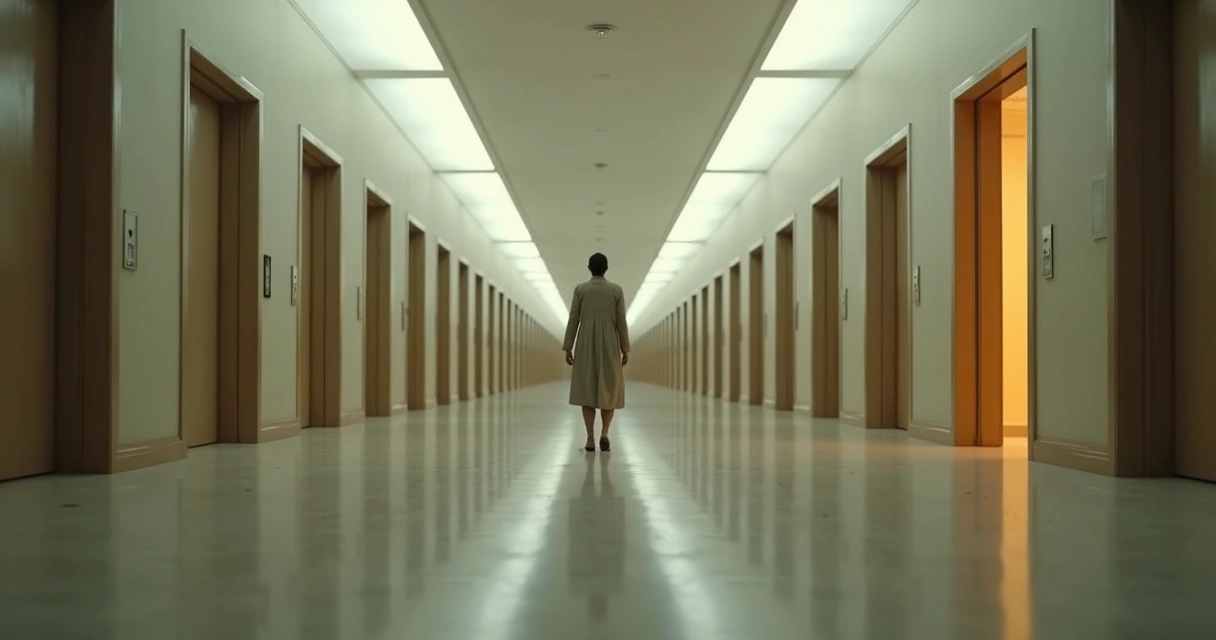


We often assume that organizations evolve simply by changing strategies, adopting new tools, or adjusting goals. Yet, despite the best intentions, many organizations find themselves repeating old patterns, wondering why meaningful progress feels just out of reach. We believe that the real patterns—the ones we easily overlook—are formed by the consciousness that underlies every choice, every meeting, and every interaction in collective life. Is your organization living in the present, or is it caught in the gravity of past consciousness cycles?
Understanding consciousness cycles in organizations
Every organization has a story. But that story is not just written in reports and records; it’s carried inside each member through assumptions, values, and reactions. These patterns form what we call consciousness cycles: loops of belief, feeling, and decision-making that quietly anchor the collective in a certain way of seeing the world.
Consciousness cycles are invisible patterns that shape how an organization perceives itself, others, and its purpose. They are maintained by the stories we keep telling ourselves. Sometimes, these stories are outdated, built for problems that no longer exist, or born from fears that have never been healed.
What does this look like? An organization stuck in old cycles may:
- Resist new ideas, preferring tradition over innovation
- Operate from a mentality of scarcity instead of abundance
- React defensively to challenges, blaming external forces
- Maintain rigid hierarchies where collaboration feels risky
- Repeat the same mistakes with different faces
These cycles are not just procedural. They are emotional, psychological, and often unconscious. Without addressing them, real change becomes almost impossible.
How can we recognize outdated consciousness cycles?
We sometimes wonder if we are the only ones who notice a certain heaviness—meetings that recycle the same ideas, enthusiasm that dies too soon after a new project, efforts that lose momentum without clear reason. We have learned these are often signs of a consciousness cycle from the past, quietly shaping the present.

To recognize these cycles, we pay attention to:
- Repetition: Are we having the same conversations with new faces?
- Emotional tone: Does fear, anxiety, or a drive to control dominate?
- Decision process: Do decisions feel obligatory rather than inspired?
- Response to change: Is new information met with resistance or curiosity?
- Sense of possibility: Are aspirations shrinking or expanding?
Sometimes these cycles are rooted in events that happened long ago—a crisis, a scandal, a rapid expansion, or even a leadership change. The aftermath lingers on, not in policies, but in collective mood and habits.
“History does not repeat itself, but unconsciousness does.”
What keeps these cycles repeating?
We have found that past consciousness cycles persist for several reasons. It is rarely a single person’s fault. More often, it’s the way group identity is protected, the way comfort feels safer than discovery, or the way fear—unspoken and unnamed—sets invisible limits.
There are three common anchors for past cycles in organizations:
- Emotional memory: Collective pain, disappointment, or anxiety that has never been acknowledged or processed. People avoid what once hurt them, even if the conditions have changed.
- Unquestioned assumptions: “This is just how we do things here.” Such beliefs go unchallenged and quietly guide daily choices.
- Leadership modeling: When those at the top embody old patterns, these become ‘best practices’ by default. The cycle is reinforced until someone chooses differently, even if only in the smallest way.
“Safety is often just our fear of leaving the familiar cycle.”
What are the consequences of staying in past consciousness?
Staying stuck is not just about missing opportunity; it is about a slow erosion of vitality and trust. In our experience, organizations bound to old cycles often notice:
- Stagnant or declining engagement among members
- Increased turnover or ‘silent quitting’
- Loss of innovation and risk-taking
- Unconscious repetition of the same mistakes
- A gap between stated values and lived reality
In some cases, these patterns create a brittle environment—one that cannot adapt when the world inevitably changes. What once protected the group becomes its invisible ceiling.
How can organizations break free?
We have seen that shifting consciousness cycles is never only about changing structure or strategy. Genuine change begins with the humility to see what has lived beneath the surface. When this awareness arrives, so does a new possibility.
Here are five practical steps to begin:
- Name the pattern: Bring the underlying story into the open. Conversation is the antidote to unconscious repetition.
- Invite honest reflection: Create safe spaces where people can share what is really happening, not just what is expected.
- Allow grieving and letting go: Sometimes, a team must admit something is over, or was never truly healthy. Grief makes space for new energy.
- Experiment with new behaviors: Small shifts matter. Change a meeting format, rotate leadership, try something unfamiliar and observe the response.
- Sustain new cycles with intention: Make conscious choices into shared habits. Celebrate and reinforce even subtle progress.

When we did this with teams who thought they could never change, something shifted. The room brightened. Cynicism gave way to tentative hope. It is not magic—it is consciousness realized as choice.
Conclusion: The invitation to choose a new cycle
If your organization feels trapped in past patterns, you are not alone. The real block is almost never the market, the resources, or the structure—it is the cycle of consciousness that has not yet run its course.
By bringing these invisible cycles into view, and responding with courage and honesty, we can help organizations not only survive but actually grow into their highest impact. New cycles begin with a single conscious choice—one that replaces routine with real presence and old fears with shared purpose.
Change always starts inside, and grows into the world we share.
Frequently asked questions
What is a consciousness cycle in organizations?
A consciousness cycle is a pattern of shared beliefs, emotions, and responses that guide how an organization acts, reacts, and makes choices, often repeating themselves until they are recognized and transformed. These cycles are usually invisible but shape the organization's culture more powerfully than formal rules.
How to know if we are stuck?
Look for repeated challenges that don’t improve, a sense of lost energy, or the feeling that past issues keep resurfacing despite efforts to move forward. If the organization resists new perspectives, finds comfort in ‘the way it’s always been,’ or sees excitement fade quickly after new initiatives, these are reliable signs of being caught in an old consciousness cycle.
Why do consciousness cycles matter?
Consciousness cycles shape not just workflow, but the spirit, creativity, and unity of an organization. If they are unexamined or outdated, they can stunt the growth of people, limit performance, and close doors to real change. Healthy, updated cycles invite growth and deeper trust.
How can we break old consciousness cycles?
Begin by naming and discussing the patterns you notice. Encourage honest dialogue without fear of blame. Support the team through any necessary grieving. Experiment with fresh approaches and reinforce each small win. Over time, awareness and intention will shift the shared cycle into something new.
Is it worth it to change cycles?
Yes, changing old consciousness cycles is worth the work. The result is usually a more alive, resilient, and united organization—one that can handle challenge with grace and translate intention into lasting impact.