


Is it really possible that our private thoughts can influence the events and structures around us? This question feels both ancient and freshly relevant, especially as new research into psychology, neuroscience, and social dynamics brings us closer to practical answers. We see stories about the power of mindset everywhere, but what does science say? In this article, we unravel what recent studies suggest about the role of thought in shaping reality, both personal and collective.
Thoughts and reality: The scientific bridge
For a long time, beliefs and intentions were considered invisible players in a world ruled by action. However, studies from the past decade show things are not so simple. Research in cognitive psychology consistently finds that thought patterns influence not only individual behavior but entire social systems. The mind, it appears, does not stop at the skull.
We now know that thoughts direct attention, color perception, and guide actions. But they also have subtle, far-reaching effects, especially when shared by groups. Imagine a workplace, a city, even a country shaped by collective beliefs—organizational culture and national values are nothing if not thoughts held at scale.

How individual thoughts ripple outward
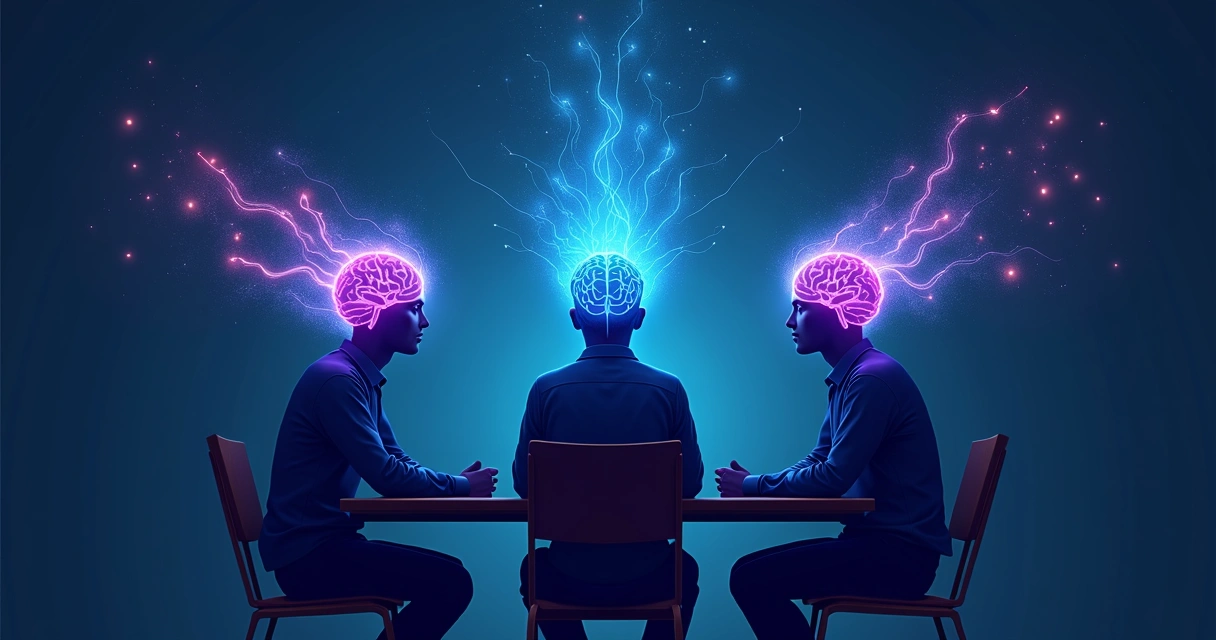
Scientific studies now trace how one person’s mental state can move through a community. This happens through:
- Facial expressions and body language
- Spoken words and unspoken attitudes
- Emotional “contagion”—where moods quietly spread from person to person
If a leader radiates calm, those nearby may feel safer. If a family member stays optimistic during hard times, that optimism can become a quiet anchor for everyone else.
Neuroscience explains this ripple with something called “mirror neurons.” When we watch someone experience joy, pain, or stress, our own brains mimic the same feelings. This means our thoughts are never simply private; they are, by nature, contagious.
Collective beliefs and world events
Societal progress is often traced back to shifts in collective thought. Take, for example, the movements for civil rights or environmental protection—major turning points began as changes in how communities viewed themselves and their world.
Recent studies support the idea that beliefs can serve as invisible frameworks, guiding group choices over years or decades. When enough people shift their perspective, policies, economies, and cultural practices follow.
Block by block, shared thoughts build our cities, our movements, and our futures.
Mindset and resilience: What we think shapes how we act
One area where research is clear involves the link between mindset and resilience. Psychologists have found that people who hold “growth mindsets” (the belief that skills can be developed) deal with setbacks much more effectively than those who see talents as fixed.
The mechanism is simple: Thoughts shape expectations, expectations shape efforts, and efforts create results over time. People who believe change is possible are more likely to persist, bounce back from failures, and support others in doing the same.
Thoughts and health: The body-mind connection
Thought does not only influence external events—our internal world changes too. Studies on stress, immune response, and healing show that positive or hopeful thinking can:
- Reduce stress hormones
- Enhance immune function
- Speed up recovery from illness
Of course, thoughts are not a magic switch. But the evidence shows they are far from powerless and often work in partnership with medicine, support, and action.
The challenge of negative thinking
Researchers have also spent time on a tough question: What happens when thoughts are filled with doubt, fear, or aggression? Here, the ripple effect can move in the opposite direction. Chronic negative thinking often leads to withdrawn behavior, higher stress, and increased conflict in families and workplaces.
Thoughts can build bridges—or fuel silent wars.
Brain imaging studies suggest that negative patterns reinforce themselves, making change harder once a group or individual slips into a habit of worry or blame. However, new thinking habits can be learned, with practice and support.
Practical implications: How do we use this knowledge?
If what we think carries so much weight, how should we act? Recent research and shared experience suggest a few paths worth considering:
- Practice mindful awareness: Noticing our thoughts is the first step to choosing them
- Share perspective with others: Speaking about hope or possibility tends to spread those states
- Challenge limiting beliefs: Both individually and in groups, asking “Is this true?” can shift old patterns
- Support environments that encourage healthy thinking
As we see time and again, beliefs are not private luxuries—they are the threads of our shared world.
Conclusion: The silent builders of tomorrow
Recent studies offer a quiet but firm answer—the world we see is, in many ways, the echo of the thoughts we hold and share.
What we think shapes how we feel, what we do, who we become, and how we relate to others—so much so that shifting thoughts can begin to shift the world around us. The process is rarely instant. It takes patience, honesty, and sometimes uncomfortable change. But research makes clear that thoughts do matter—and they are already at work, building tomorrow with every moment we choose to become a little more conscious of them.
Frequently asked questions
What does it mean to change the world?
To change the world means actively influencing how people think, feel, or act in ways that eventually shift families, organizations, or entire societies. This usually happens not just through visible actions, but through ideas and mindsets that become widely adopted. Small changes in individual habits or beliefs, when multiplied, can reshape social norms and even create new institutions.
How do thoughts influence real life?
Thoughts influence real life by shaping attention, expectations, and actions. If we expect a situation to go well, we may act more confidently, which then creates positive responses from others. In groups, shared beliefs guide collective choices, which can change cultures, economies, and policies over time. Researchers have found that thoughts and beliefs are often the starting point of visible change, both in individuals and communities.
Are positive thoughts really effective?
Positive thoughts have been shown to help with resilience, goal achievement, and even public health outcomes. While they do not guarantee success, hopeful thinking often encourages effort, supports recovery from setbacks, and improves relationships. The most effective positive thoughts are realistic and lead to helpful action, rather than simply wishing for good things without effort.
Can one person’s thoughts make a difference?
Yes, one person’s thoughts can make a difference, especially through relationships and emotional influence. When an individual adopts a hopeful or calm state, others tend to mirror and expand those feelings. Research on emotional contagion and social networks shows that a single person’s attitude can ripple outward to affect a group, sometimes in surprising ways.
What do studies say about mindset?
Studies on mindset report that people who believe abilities can grow (“growth mindset”) are more likely to take on challenges, persist through failures, and support learning in others. Over time, this attitude leads to higher achievement and better well-being. Mindset acts as a lens, shaping both experience and outcomes in real-world situations.