


Understanding how people interact in groups is one of the most overlooked areas in both personal growth and organizational learning. We encounter group situations every day: in families, workplaces, projects, or social causes. Yet, the real field that connects us—the invisible “group field”—often gets ignored. When we miss it, confusion, conflict, or disintegration follow. When we grasp it, we witness a natural flow that unlocks problem-solving, empathy, and true co-creation.
The group field is real, even if we cannot see it.
Let’s walk through how group field dynamics work, why they shape our collective reality so deeply, and how we can become more aware and active within them. Our experience has shown that recognizing this “field” is a game-changer at every level.
What is the group field?
The group field is the shared energetic and psychological space that arises whenever people gather with shared intentions, even briefly. In our work, we see the group field as something that holds collective memory, intention, emotion, and subtle influence. It is more than the sum of the individuals. What happens “inside” this invisible space shapes every spoken word, gesture, and outcome, whether or not we notice it.
Every group, whether aware or not, creates a field of shared impact that can build or break their unity, effectiveness, and well-being. It is a living system. Just like a team may “click” naturally, or feel blocked or split without clear reasons, the quality of the group field shows up as alignment, resistance, tension, unity, or creative flow.
How group field dynamics show up in daily life
We all have felt the energy in a room shift when someone arrives or speaks. Sometimes, after a conflict, it feels as though the air is “thick.” Other times, everyone feels energized and purposeful. In meetings, the silent atmosphere can say more than words. These are signals of the group field at work.
- Coherence: When the group field is healthy, members feel naturally connected, open, and able to listen.
- Dissonance: If hidden tensions or competing intentions accumulate unspoken, the field becomes divided, and communication breaks down.
- Emergence: Sometimes a new insight, solution, or shared decision “emerges” that nobody could have created alone. The right group field made it possible.
- Fragmentation: When subgroups form and disconnect from the whole, we feel tension or isolation. Fragmented fields are exhausting.
Our work with groups has taught us that these signals are not random. They reflect the collective state of consciousness, trust, and intention amongst members.
The five pillars of group field dynamics
From our experience, there are five main pillars that sustain and shape any group field:
- Shared intention: A clear, common purpose or question.
- Presence: Willingness from members to show up fully, not hide in masks or roles.
- Awareness: The ability to notice patterns, emotions, and unspoken tensions in the field.
- Communication: Open, honest sharing—verbal or nonverbal—rooted in mutual respect.
- Integration: Welcoming differences and using tension as material for growth, rather than for division.
Most groups struggle not because they lack skills or vision, but because one or more of these pillars is weak or ignored. We have seen teams with extraordinary talent fail due to hidden power struggles or unspoken doubts. Strengthening the field is the foundation for progress.
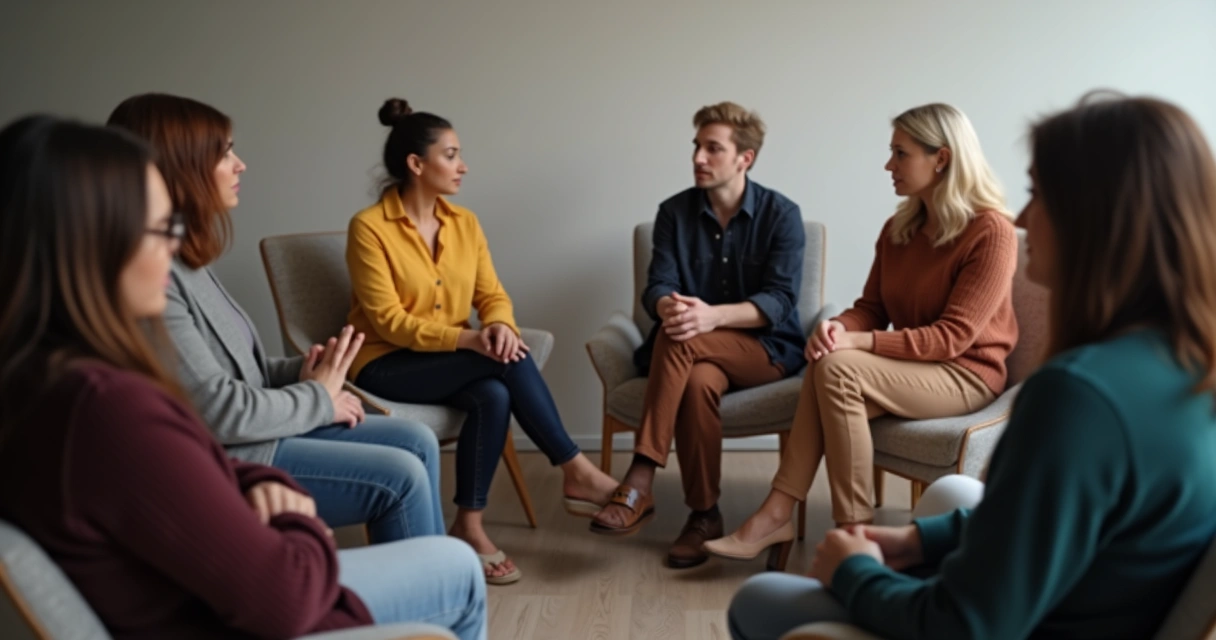
Why group field dynamics matter
So often we blame external events, personal limitations, or policies for group failures. In our experience, what is overlooked is the group consciousness that underlies all collective actions and outcomes. At the subtle level, the group field can carry unspoken hope, shared pain, or underlying purpose. These are often more influential than any external structure.
- When the field is strong and clear, creativity and innovation happen naturally.
- When the field is polluted with fear, blame, or indifference, every interaction feels heavy.
- Group fields transfer culture—healthy or toxic—from one moment to the next, even across generations.
Organizations that ignore the group field try to compensate with endless processes. Families may fall into silent ruts. Social initiatives lose their spark. We see all of this as a sign to pay attention not only to individual skills, but to the collective consciousness in the room. Otherwise, the unspoken group field will keep leading the outcome.
Practical steps to work with group field dynamics
It is possible to develop sensitivity and skill in working with the group field. In our practice, these steps help most groups notice and strengthen their field:
- Slow down and sense: Pause to notice how the space feels, not just what is being said. Are people at ease or tense?
- Name what is present: Sometimes just saying “I notice some tension” or “There’s excitement here” shifts the field toward greater honesty.
- Invite full participation: Encourage every voice, not just the loudest. The field strengthens with diversity, not sameness.
- Honor silence: Not every moment must be filled. Sometimes the most significant changes happen when the group allows silence to work.
- Reflect and integrate: End meetings or interactions by asking, “What changed for us? What did we learn together?”
These steps might seem simple, but with practice, we have found that even a small shift in attention transforms the depth and impact of the group.

Common challenges and how to address them
Group fields do not always feel harmonious. Our experience points to recurring challenges:
- Hidden agendas: When members want something but won’t say it, the group field feels split and progress stalls.
- Past hurts: Previous conflicts that were never named or healed may create a “sticky” atmosphere.
- Rigid roles: Sometimes people choose safety over honesty, sticking to assigned roles and not showing up fully.
- Lack of trust: Without a basic sense of safety, openness disappears, and the group closes in on itself.
To address these, we recommend gentle but clear communication, building trust through consistency, and creating spaces where vulnerability is valued. Nothing shifts the group field like acknowledgment and presence.
Moving from fragmentation to unity
It is possible for every group to develop a strong and integrated field—though it rarely happens by accident. We believe it takes practice, patience, and a willingness to learn from discomfort. When groups consciously tend to their field, we often witness rapid shifts in clarity, creativity, and shared direction.
Integration does not mean sameness. The healthiest group fields welcome difference and use conflict as information, not as a threat.
Unity comes not from agreement, but from shared presence and awareness.
Conclusion
Group field dynamics reveal how much more we are together than apart. While sometimes subtle, their influence shapes every outcome and relationship in collective spaces. When we recognize and nurture the group field, we create not only better solutions but also deeper shared meaning and belonging.
Frequently asked questions
What is group field dynamics?
Group field dynamics are the patterns and processes that shape how people influence, connect, and interact when gathered together. They describe the unseen energy, intentions, and relationships guiding a group’s shared experience, often beyond what is spoken.
How does group field dynamics work?
Group field dynamics work by connecting individual consciousness, emotions, and intentions into a collective space. This shared field influences the atmosphere, decisions, and outcomes in any group, whether in families, teams, or communities.
What are the benefits of group field dynamics?
When a group’s field is healthy, members experience more trust, creativity, empathy, and a sense of unity. It can lead to natural cooperation, faster problem solving, and a deeper sense of belonging.
Is group field dynamics hard to learn?
Learning group field dynamics is less about theory and more about awareness and practice. Anyone willing to notice subtle patterns, be present, and listen can learn and improve these skills step by step.
Where can I study group field dynamics?
Group field dynamics can be explored through workshops, trainings, or by practicing in real group situations. Books, articles, and guided exercises are available for those interested in deepening their understanding. Participating consciously in group settings is also a powerful way to learn from direct experience.